How a fish finger is helping reshape a local food system

Researchers worked with the local community and small-scale fishers to bring local, sustainable fish to school dinners.

In a city famous for its fishing heritage, it’s surprising that many of Plymouth’s children rarely eat fish caught by local fishers.

Yet this paradox sits at the heart of food insecurity in many UK coastal communities.

Researchers at the University of Plymouth have worked with local fishers, food businesses, schools and communities to tackle this challenge through an initiative that began with a simple question: could a fish finger help reshape a local food system?

Locally landed, sustainable fish

Through the Food Systems Equality (FoodSEqual) project, The Plymouth Fish Finger explored how locally sourced, sustainable fish could be transformed into an appealing product for school meals.

While the fish finger became the project’s most visible outcome, its broader purpose was to understand how healthy, local food can move from fish sourced locally to the school meal queue.

Central to the approach was co-production. Community food researchers, local organisations and school children worked alongside academics to ensure local knowledge, lived experience and community priorities shaped the research.

Co-designed by the children eating the food

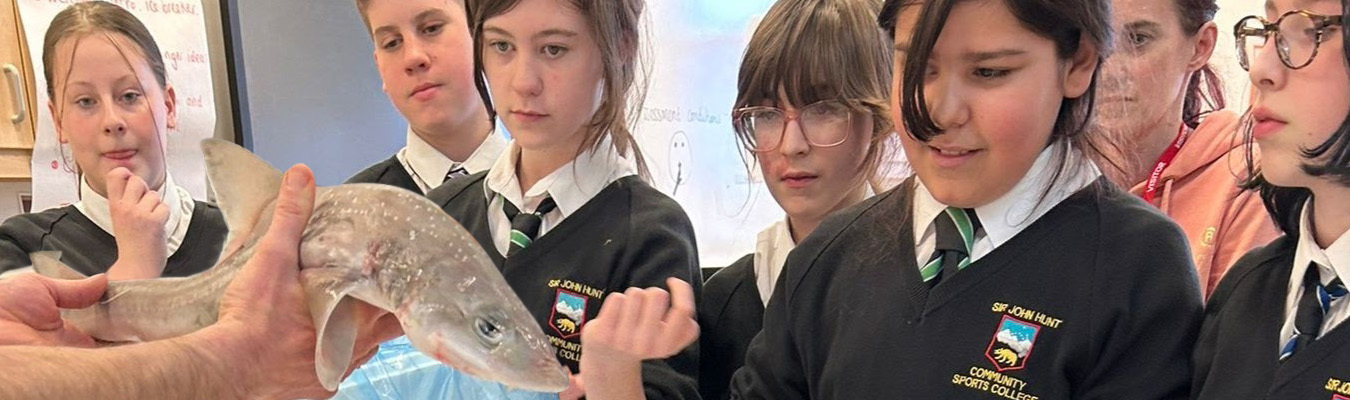
School children didn’t simply check the product, they co-designed it.

Through workshops, tasting sessions and creative activities, they shaped the fish finger’s flavour and appearance, co-creating a nutritious product appealing to young people.

Supporting the local fishing industry

This project explored opportunities to better use underutilised fish species landed by Plymouth’s small-boat fishers.

These species are nutritious, locally abundant and sustainably caught, but frequently attract low market value and remain underutilised within the food system.

By reducing waste, making better use of fish already being caught, the project sought to support small-boat fishing livelihoods while improving access to affordable, healthy local fish.

The challenges of changing food systems

Throughout, the team discovered that improving food security is about more than a new food product.

Making local fish available in school meals required overcoming challenges around procurement systems, supply chains, costs, regulations and consumer perceptions.

The project also highlights the fact that terms like ‘sustainable’, ‘local’ and ‘healthy’ can mean different things to different people, underlining the importance of involving local communities.

People think food insecurity is about not having enough food.

Really, it’s about whether people can access affordable, nutritious, culturally acceptable food.

It’s also about fairness: ensuring local communities have a voice in shaping the food systems affecting their health, wellbeing and livelihoods.

By bringing together academic expertise, community insight and industry knowledge, the project shows how co-produced research can help tackle complex challenges in practical ways.

What began as a simple fish finger became an opportunity to reimagine a fairer and more resilient local food system.

Dr Clare Pettinger

Project lead, University of Plymouth

Top image:  School pupils help to design the Plymouth fish finger.

This is the website for UKRI: our seven research councils, Research England and Innovate UK. Let us know if you have feedback or would like to help improve our online products and services.