How ancient grains could tackle a modern pest

Researchers are using ancient grains to tackle a modern threat to wheat – a pest called yellow rust.

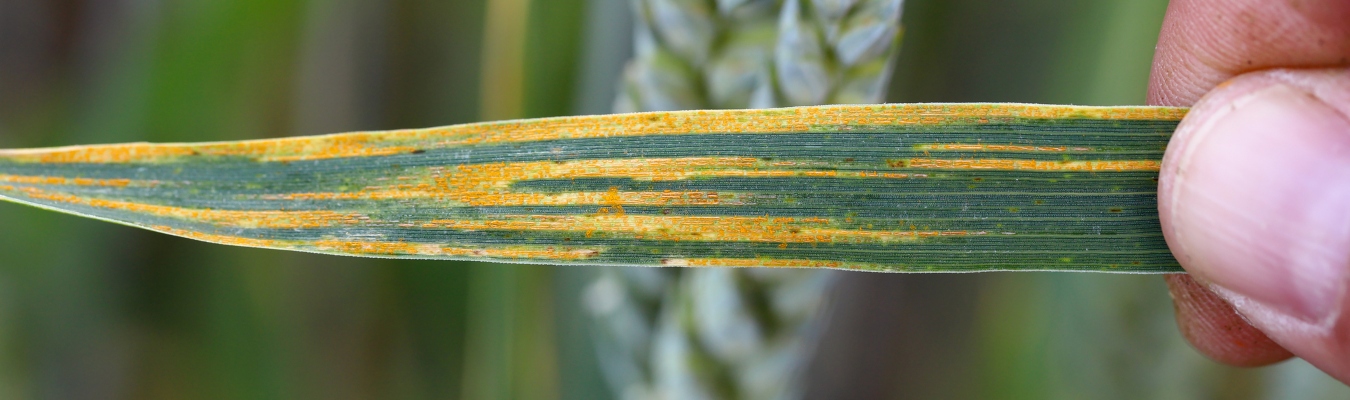
A fungus known as yellow rust can kill wheat, destroy harvests, and drive up prices, which could make staples, like bread and pasta, more expensive.

One of the main ways farmers keep yellow rust under control is by growing wheat varieties with natural genetic resistance.

A pest that’s fighting back

But last year, new strains of yellow rust appeared in UK wheat fields. This pest has overcome a critical genetic defence and is posing a growing threat to wheat crops.

Using more fungicide can help protect UK wheat, but that comes with environmental costs. That’s why we’re investing in British crop scientists at the John Innes Centre.

The John Innes Centre is leading a collaborative project to respond to this emerging threat.

Turning to ancient wheat strains

And, surprisingly, it’s the past that they’re turning to.

Ancient wheat collections could hold the secret to tackling this emerging yellow rust strain and other crop diseases.

In contrast with the narrow, genetically-speaking, but high-yielding modern varieties, the diverse wheats collected globally by A.E. Watkins were adapted to many hundreds of different environments over millennia of localised farming.

They therefore contain diverse genes, including lots of potential natural immunity to pests.

Researchers are now drawing on the genetic diversity found in the historic A.E. Watkins collection of bread wheat housed at the John Innes Centre.
The A E Watkins Collection

Collected from 32 countries around 100 years ago, the Watkins Collection is a comprehensive collection of wheat germplasm – living genetic material – and a vital resource for researchers developing more resilient wheat varieties for the future.

Government funding is helping the UK research community respond to emerging threats to plants, animals and people.

The breakdown of this primary genetic defence poses a direct threat to the UK’s wheat crop. So we're empowering British scientists to 'mine' the historic Watkins collection for new, natural defences.

By unlocking the genetic secrets of these 100-year-old seeds, we can help provide farmers with resilient wheat varieties, safeguarding our food security while reducing the need for chemical fungicides.

Professor Anne Ferguson-Smith

Executive Chair, Biotechnology and Biological Sciences Research Council

Witnessing such a large-scale breakdown in yellow rust resistance in 2025 was unprecedented.

However, the recently unlocked diversity in ancient wheat seeds provides us, the research community, a fantastic resource of un-utilised genetic disease resistance. We can now mobilise this untapped genetic resistance to rapidly respond to this emergent threat and protect the UK's wheat harvest.

Professor Diane Saunders

Group Leader, John Innes Centre

Top image:  Wheat infected with yellow rust. Credit: Getty Images

This is the website for UKRI: our seven research councils, Research England and Innovate UK. Let us know if you have feedback or would like to help improve our online products and services.