
Community engagement is synonymous with archaeology fieldwork, made popular in the public imagination through TV programmes such as Time Team and Digging for Britain or sitcoms like Detectorists. But community archaeology is more than digging trenches; it’s about deepening people’s connections to their heritage, fostering identity, and strengthening communities. Arts and Humanities Research Council (AHRC)-funded projects have shown how archaeology can transform places and lives through engagement, education, and shared discovery.
This impact story shows the remarkable impacts and benefits projects can generate:
- Scotland’s Rock Art Project trained 12 community teams and recorded 1,600 prehistoric carved stones
- over 1,200 people took part in hands-on excavations across Europe thanks to the Community Archaeological in Rural Environments Meeting Social Challenges (CARE MSoC) project
- The Hillforts Atlas has attracted more than 426,000 visitors and 17.5 million page views worldwide
Scotland’s Rock Art Project (ScRAP): protecting heritage through participation
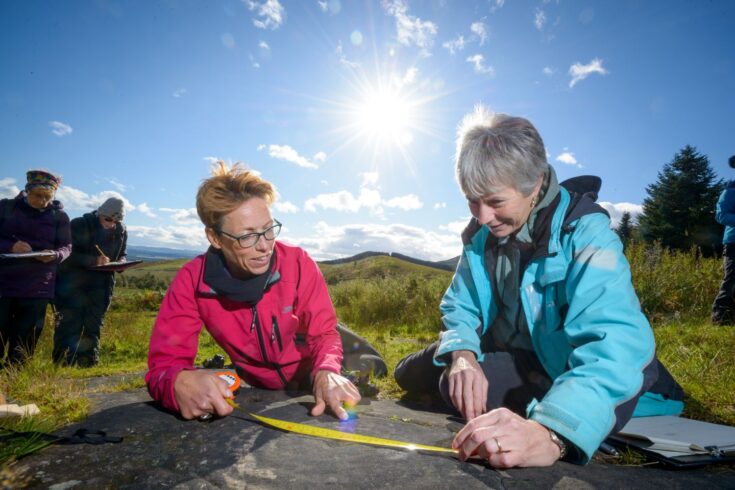
Between 2017 and 2021, ScRAP trained 12 community teams to investigate Scotland’s prehistoric rock art. Volunteers created detailed records and 3D models of over 1,600 carved stones across the country, creating a permanent resource for research and education. This was given to the National Record of the Historic Environment of Scotland, and regional Historic Environment Records.
The impact was profound: 92.5% of participants reported increased understanding of rock art, and 60% became more actively involved in heritage activities. Beyond learning, the project safeguarded the future; 35 new sites gained Scheduled Monument status, and discoveries continue today thanks to trained volunteers and public engagement.
Dr Barnett is also continuing the work of ScRAP through generating further funding. In September 2025, she ran a community excavation of rock art in Central Scotland, excavating eight carved stones, supported by a grant from the SSE Renewables Griffin and Calliachar Community Fund. She had over 90 volunteers aged 14 to 84 working with them and has also run various on-site learning activities for young learners aged four to 14 from local primary schools and young archaeologists clubs.
Under Dr Tertia Barnett leadership, ScRAP’s legacy lives on through national records and forthcoming research recommendations shaped by community consultation.
CARE MSoC: archaeology as a tool for social wellbeing
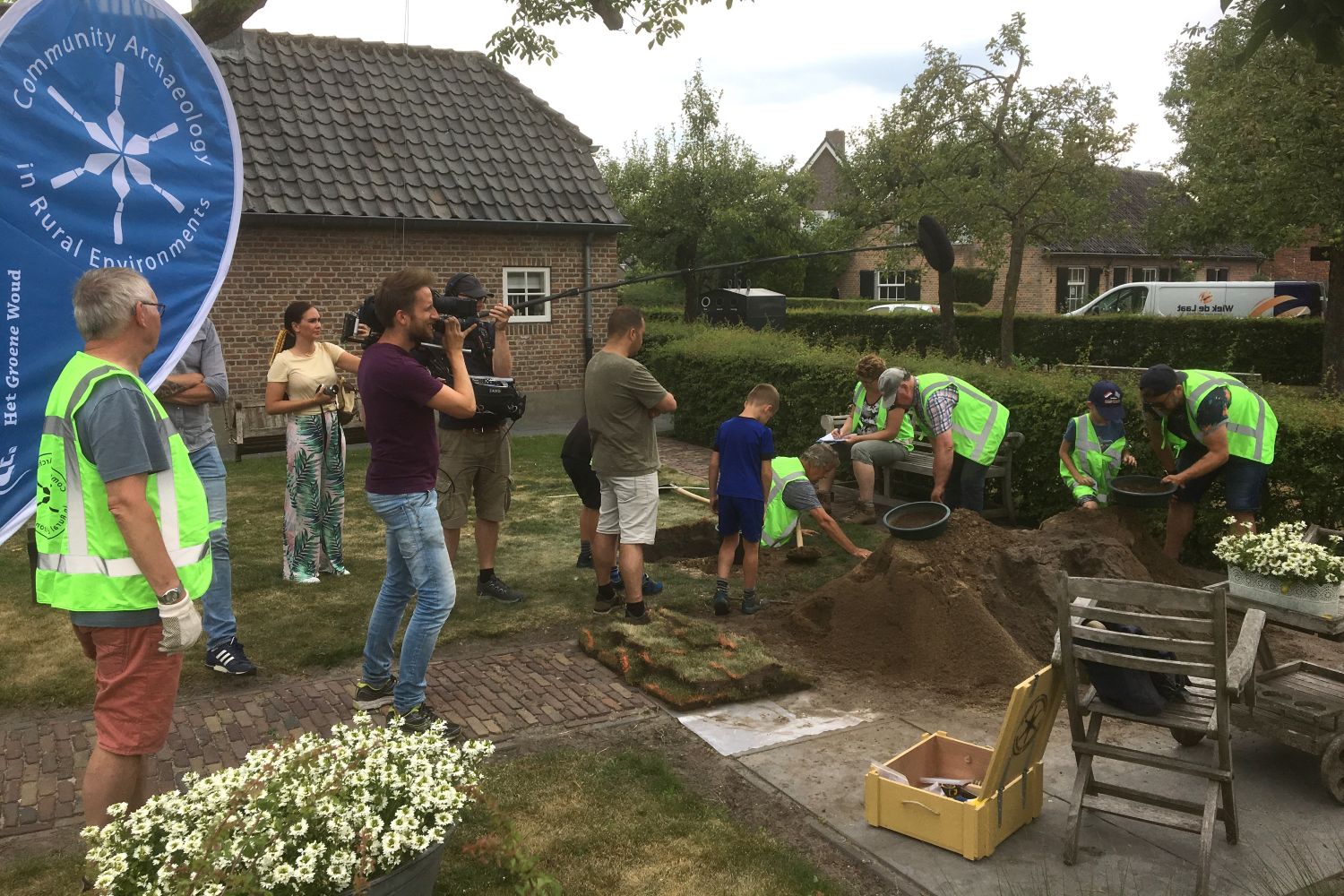
Community excavation underway in Liempde Woensel in the Netherlands. Community test pit excavations helped over 1,200 people uncover their local history. Credit: Johan Verspay.
CARE MSoC project (2019 to 2023) extended a successful UK model of community test-pit excavation to partner sites in Europe. Over 1,200 people helped to excavate 298 test pits in eight rural communities in the Czech Republic, Netherlands, Poland and UK, uncovering local histories while building social bonds. Feedback was overwhelmingly positive: 89% rated the experience highly, and 77% reported increased knowledge.
The project’s influence spread far beyond its original scope. Featured on Time Team Digital, it reached 500 hands-on participants and over 2 million online viewers, while Dig School resources supported 61,000 learners during lockdown, linking archaeology to wellbeing and education. The model has since inspired projects in Nigeria and Kazakhstan, and Professor Carenza Lewis’s work even earned a Guinness World Record for the largest-ever community archaeology project.
The project has also generated further funding. In 2024 Professor Lewis secured £15,000 funding from University of Oxford to excavate areas around Lincoln for 80th anniversary of Operation Market Garden. Digging Market Garden encouraged 25 serving and veteran members of armed forces (British Army and Royal Air Force) to investigate the material traces. They also looked for social and personal memories associated with preparations for the airborne component of Operation Market Garden in South Lincolnshire during World War II.
Atlas of Hillforts: digital engagement at scale
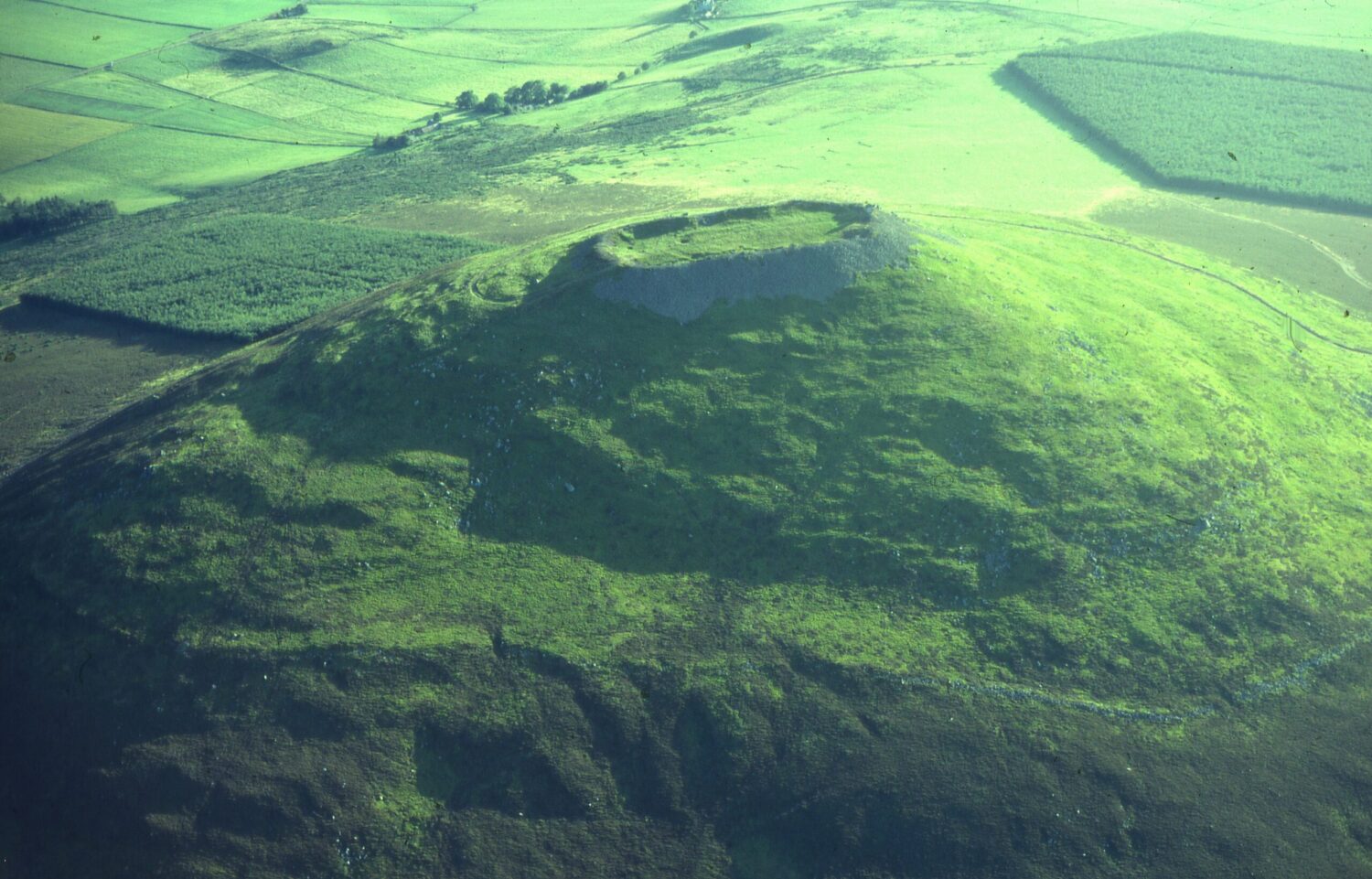
Aerial view of Tap O’ Noth, Aberdeenshire, Scotland. The project created an interactive online database of over 4,000 Iron Age hillforts across Britain and Ireland. The resulting digital atlas has become a global resource with 17.5 million page views from 190 countries. Credit: Professor Ian Ralston.
An Atlas of Hillforts in Britain and Ireland project (2012 to 2016), led by Professor Ian Rolston, created an interactive online database of over 4,000 Iron Age hillforts across Britain and Ireland. The project included a ‘citizen science’ element that enabled members of the public to participate in the collection of data by visiting and surveying hillforts within a guided framework.
As a result, individuals and groups across England, Scotland, Wales and Ireland contributed data from 279 sites, and the digital atlas has become a global resource; over 426,000 visitors and 17.5 million page views from 190 countries within three years of launch. This enduring platform continues to support research and public engagement worldwide.
The research carried out for the project by local groups in the Chilterns has also helped the Chilterns Conservation Board win almost £700,000 from the National Heritage Lottery Fund. The Beacons of the Past project is surveying the local Area of Outstanding Natural Beauty using, for the first time, aircraft-mounted lasers to uncover hidden archaeological features.
Why it matters
These projects demonstrate that archaeology is not just about the past; it is about people and place today. Through hands-on participation, digital innovation, and inclusive research, AHRC-funded initiatives have delivered:
- social cohesion and wellbeing through shared discovery
- education and skills development for communities and schools
- heritage protection and research driven by local involvement
- global reach and lasting legacy via digital platforms and adaptable models
Community archaeology shows how cultural heritage can strengthen identity, inspire learning, and create vibrant, connected places.